
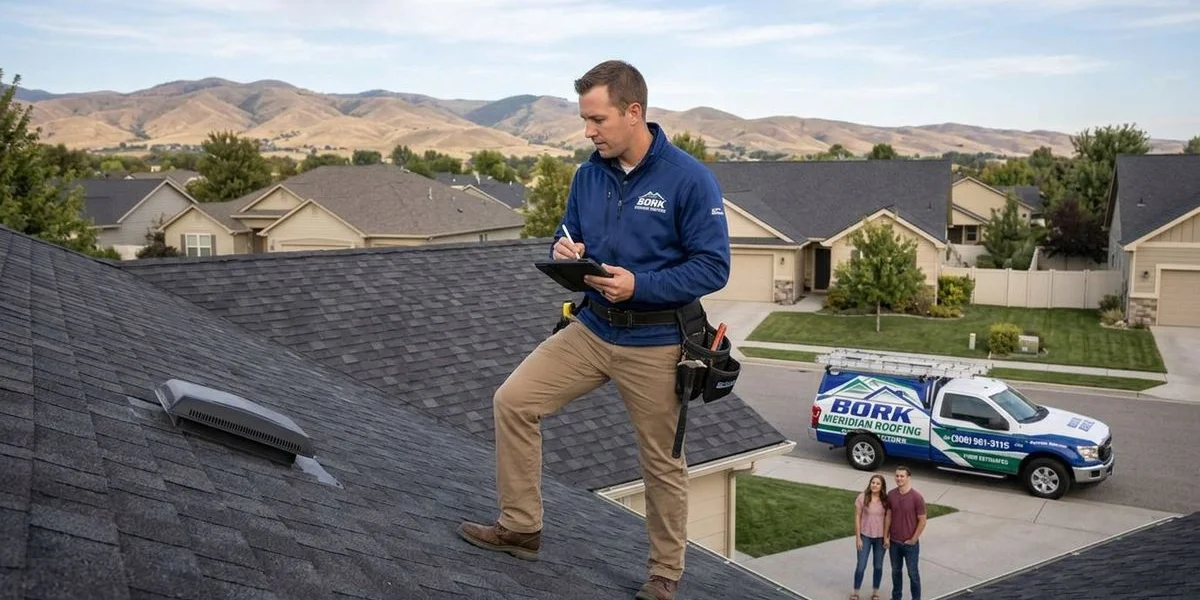
The Treasure Valley real estate market remains competitive, and buyers are often tempted to waive contingencies or skip detailed inspections to make their offers more attractive. That is understandable in a fast-moving market, but skipping a roof inspection before buying a home is one of the most expensive mistakes you can make.
A roof replacement in Meridian typically costs between $8,000 and $25,000 depending on the size and material. Discovering that you need a new roof six months after closing is a financial blow that a $300 to $500 pre-purchase inspection could have prevented or at least factored into your negotiations.
What a Standard Home Inspection Misses
Most buyers assume their general home inspection covers the roof thoroughly. It does not. A standard home inspector will note obvious roof problems visible from the ground or a quick walkover, but they are generalists who inspect everything from the foundation to the furnace. They do not have the specialized training or equipment to identify the subtle signs of roof failure that an experienced roofing professional will catch.
A general inspector might note “roof appears to be nearing end of life” or “some missing shingles observed.” A dedicated roof inspection from a licensed roofer provides a detailed assessment of remaining life expectancy, identifies specific problem areas, estimates repair costs, and gives you actionable information for negotiations.
What a Professional Roof Inspector Looks For
Shingle Condition
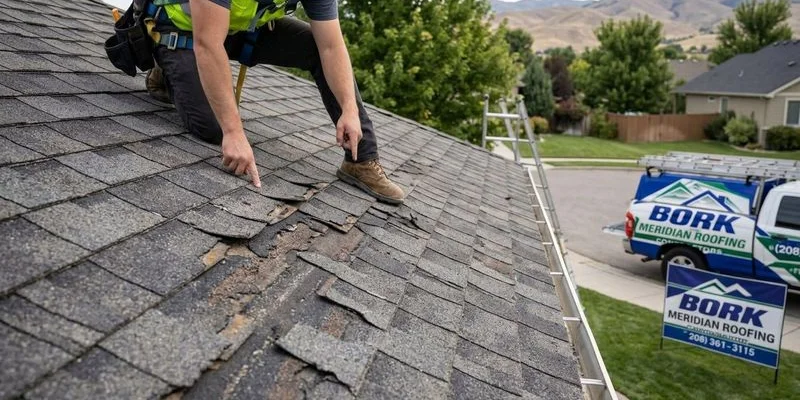
An experienced roofer assesses shingle condition at a granular level. They check for:
- Granule loss indicating UV degradation and remaining protective capacity
- Curling or cupping at shingle edges showing thermal stress damage
- Cracking or splitting from age and weather cycling
- Soft spots indicating moisture damage to the underlying decking
- Algae or moss growth that can hold moisture against the shingle surface
- Previous patch repairs that may indicate ongoing leak issues
In Idaho’s climate, asphalt shingles deteriorate faster on south-facing slopes due to intense UV exposure. A roof that looks fine from the street may have significant wear on the sides you cannot see from ground level.
Flashing and Penetrations
Every pipe, vent, chimney, skylight, and wall-to-roof transition is a potential leak point. A roofing professional inspects:
- Chimney flashing for separation, corrosion, or improper installation
- Vent pipe boots for cracked rubber seals
- Skylight frames for deteriorated sealant
- Valley flashing for corrosion or improper overlap
- Step flashing along walls for rust or gaps
Flashing failures are the number one cause of roof leaks, and they are often invisible to the untrained eye. A corroded chimney flashing can look fine from the ground but may be actively allowing water intrusion that is causing hidden damage to the structure below.
Structural Assessment
Beyond the surface materials, a thorough roof inspection evaluates the structural components:
- Roof decking for soft spots, rot, or delamination
- Rafters and trusses visible from the attic for signs of stress or damage
- Ridge line for sagging that indicates structural settling
- Eaves and overhangs for water damage or pest activity
Ventilation and Insulation
Proper attic ventilation is critical for roof longevity in Idaho. Inspectors check whether the ventilation system is adequate and functional:
- Ridge vents for blockage or damage
- Soffit vents for insulation blockage
- Attic temperature compared to outside conditions
- Insulation depth and distribution for energy efficiency and ice dam prevention
A home with inadequate ventilation will have a dramatically shorter roof life. The heat and moisture trapped in the attic accelerate shingle deterioration from below while creating conditions for ice dams in winter.
Drainage System
The gutter and drainage system is part of the overall roof system:
- Gutter condition including rust, sagging, and proper slope
- Downspout placement and extension away from the foundation
- Evidence of overflow staining on siding or fascia
- Fascia and soffit condition for rot or pest damage
Red Flags That Should Concern Buyers
Not every roof issue is a deal-breaker, but some findings should give you serious pause or at minimum provide leverage for price negotiations:
Immediate Red Flags
- Active leaks or fresh water stains in the attic or on ceilings
- Multiple layers of shingles (indicates previous overlays that add weight and mask problems)
- Sagging ridge line suggesting structural failure
- Extensive moss or vegetation growth indicating long-term moisture retention
- Daylight visible through roof boards in the attic
Negotiation Leverage
- Roof age approaching end of life for the material type
- Hail damage that has not been addressed through an insurance claim
- Flashing issues that will require professional repair
- Inadequate ventilation that is shortening the roof’s remaining life
- Missing or damaged shingles from storm events
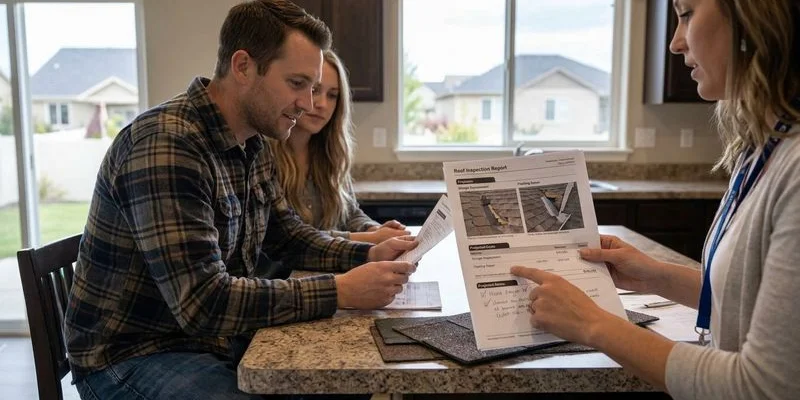
How to Use the Inspection Report in Negotiations
A professional roof inspection report is a powerful negotiating tool. Here are the common approaches:
Request a Price Reduction
If the inspection reveals the roof needs replacement within the next two to three years, request a price reduction equal to the estimated replacement cost. Even if the seller does not agree to the full amount, the documented evidence supports a meaningful concession.
Request Repairs Before Closing
For specific issues like damaged flashing, missing shingles, or gutter problems, you can request that the seller complete repairs before closing. Get the repairs performed by a licensed contractor of your choosing, not the seller’s handyman.
Request a Roof Warranty
If the roof is aging but still functional, request that the seller purchase a home warranty that includes roof coverage. This provides protection during the first year of ownership while you budget for eventual replacement.
Walk Away
If the roof has major structural issues, active leaks, or requires immediate replacement and the seller will not negotiate, walking away may be the wisest financial decision. A home that needs a new roof immediately is not the bargain it appears to be.
The Cost of a Roof Inspection vs. the Cost of Surprises
A professional roof inspection in the Treasure Valley typically costs between $300 and $500. Compare that to potential surprise costs after closing:
| Surprise Cost | Typical Range |
|---|---|
| Emergency leak repair | $500 - $2,000 |
| Partial roof repair | $1,500 - $5,000 |
| Full roof replacement | $8,000 - $25,000 |
| Water damage restoration | $3,000 - $15,000 |
| Structural repair | $5,000 - $20,000+ |
The inspection fee is the best insurance policy you can buy during the home buying process.
Schedule a Pre-Purchase Roof Inspection
If you are buying a home in Meridian, Boise, Eagle, Nampa, or anywhere in the Treasure Valley, contact Bork Roofing for a comprehensive pre-purchase roof inspection. We provide detailed written reports with photos, estimated remaining life, and projected costs for any needed repairs. Our reports are designed to give you the information you need to make a confident buying decision.
Learn more about our roof inspection services and protect your investment before you sign on the dotted line.
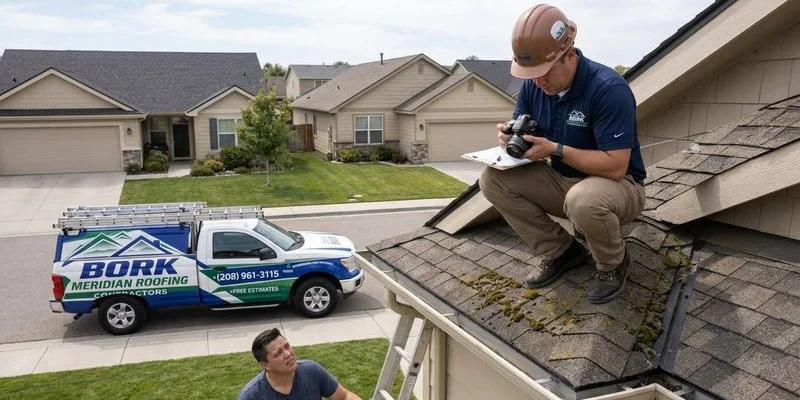
A few hundred dollars spent on a roof inspection can save you tens of thousands in unexpected repairs. In a market where homes sell quickly, do not let the pressure to move fast override your financial common sense.